Sustainable and Interior Design Realisation
Moriya is a modern and sustainable Aparthotel located in the heart of Southampton. The project direction is in response to the challenges of sustainability in hospitality, and the goal was to achieve the RIBA 2030 sustainable outcome- Sustainable Water Cycle.
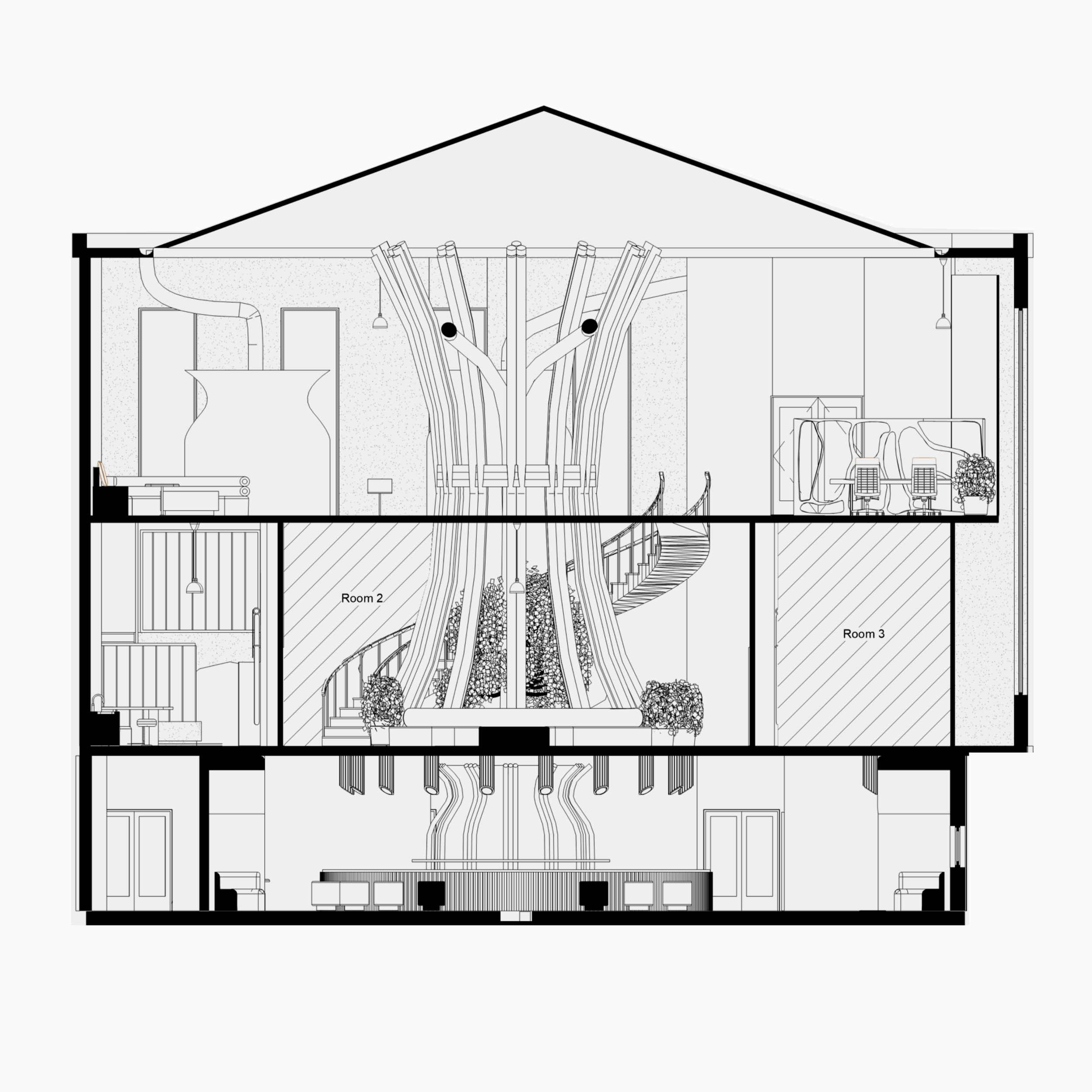
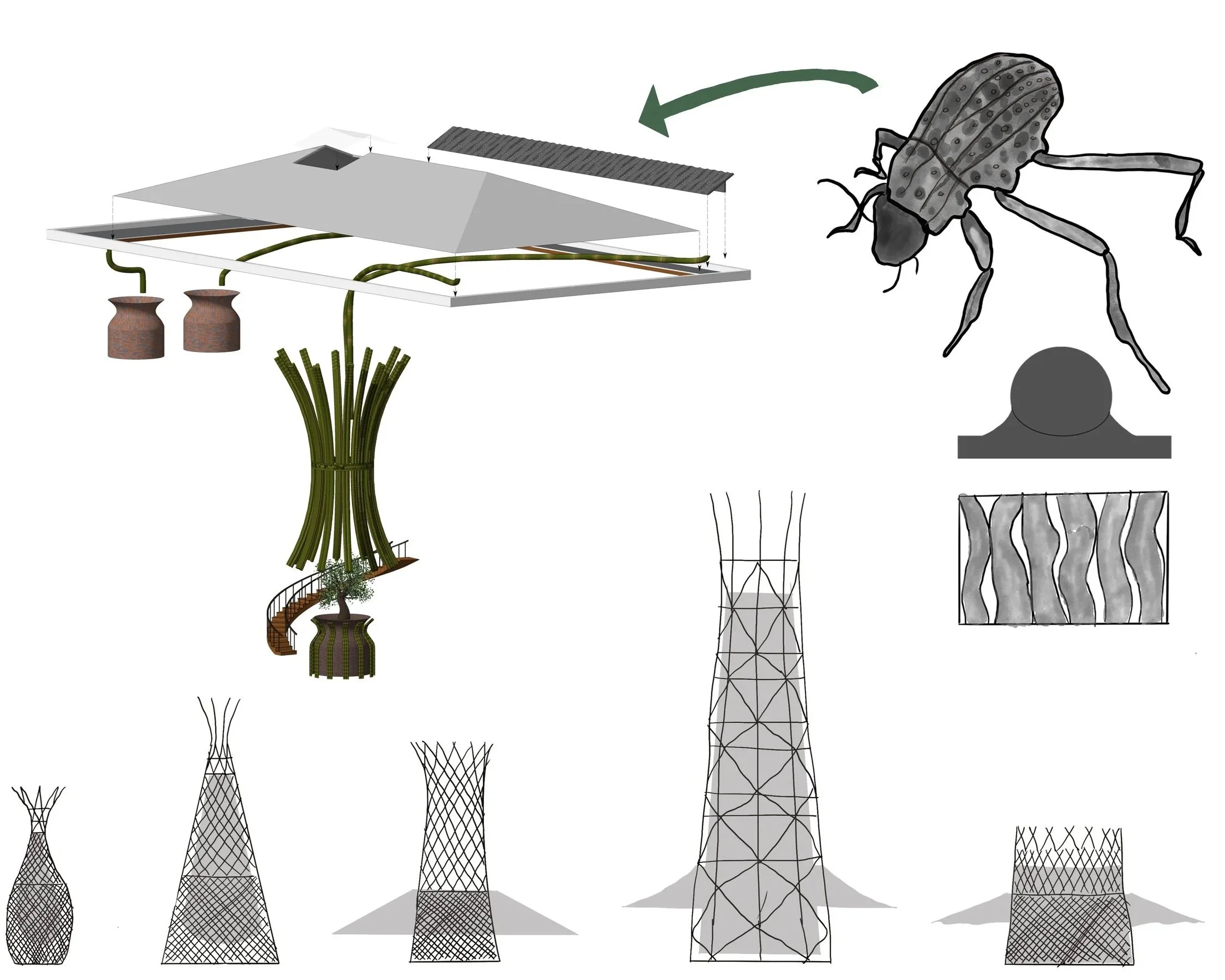
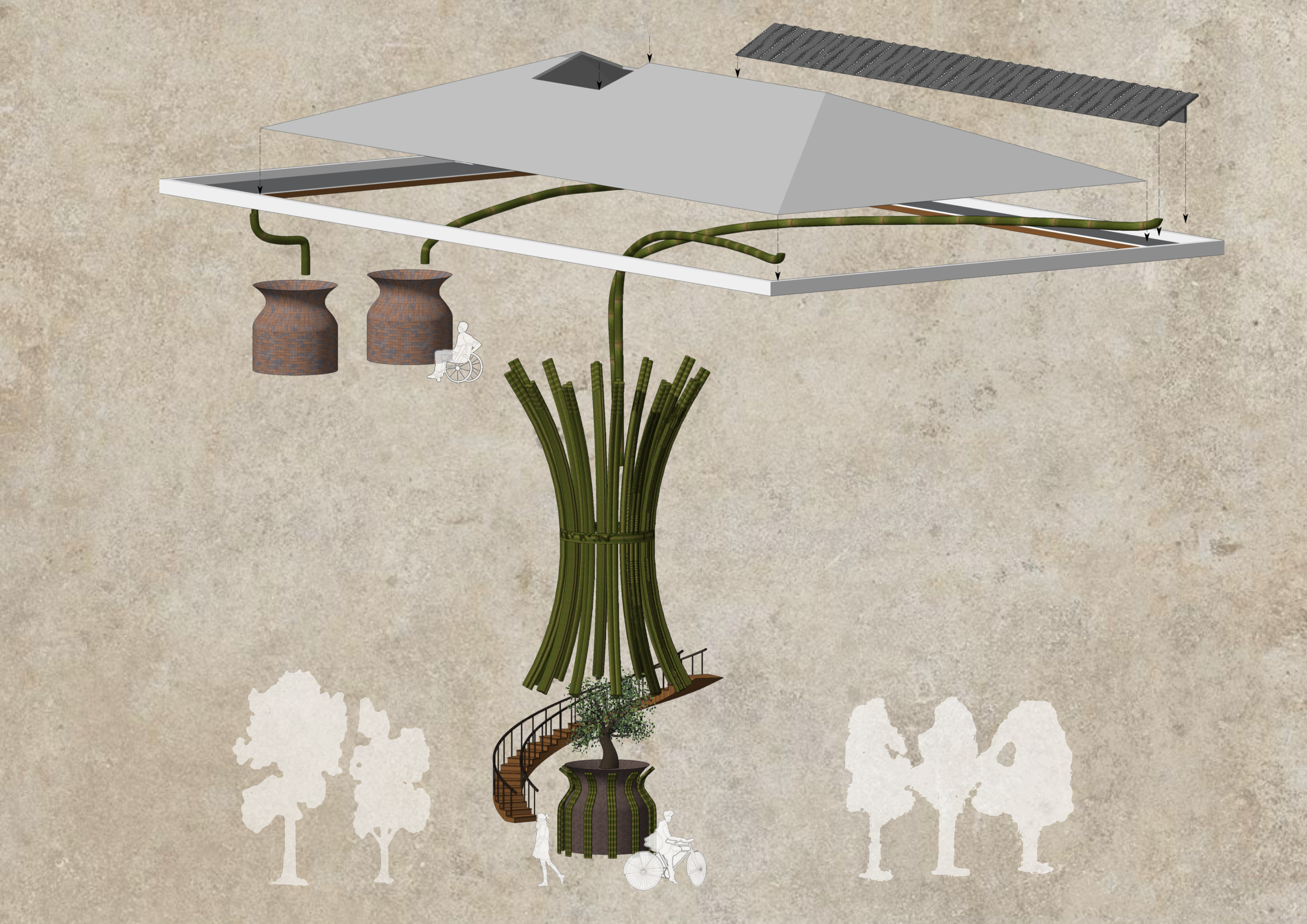
The project utilises rainwater harvesting as well as dew collection inspired by the shell of a beetle found in Africa’s Namib Desert, to source and supply its own water. There are three water tanks on site that filter the collected water for both grey water (supplying the toilets, showers, sinks, and washing machines and rooms) as well as potable (drinking) water for the Aparthotel and restaurant users.
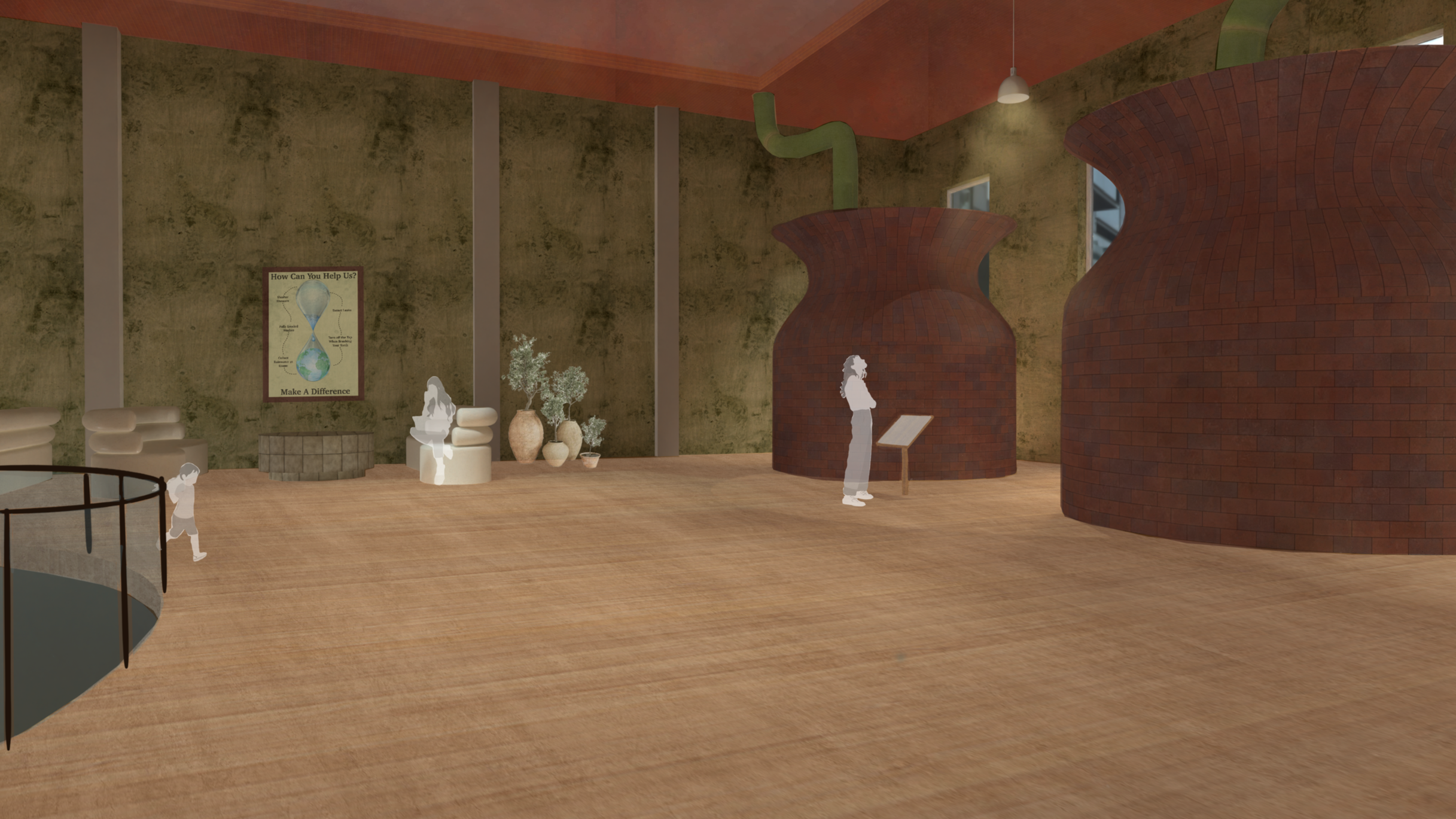
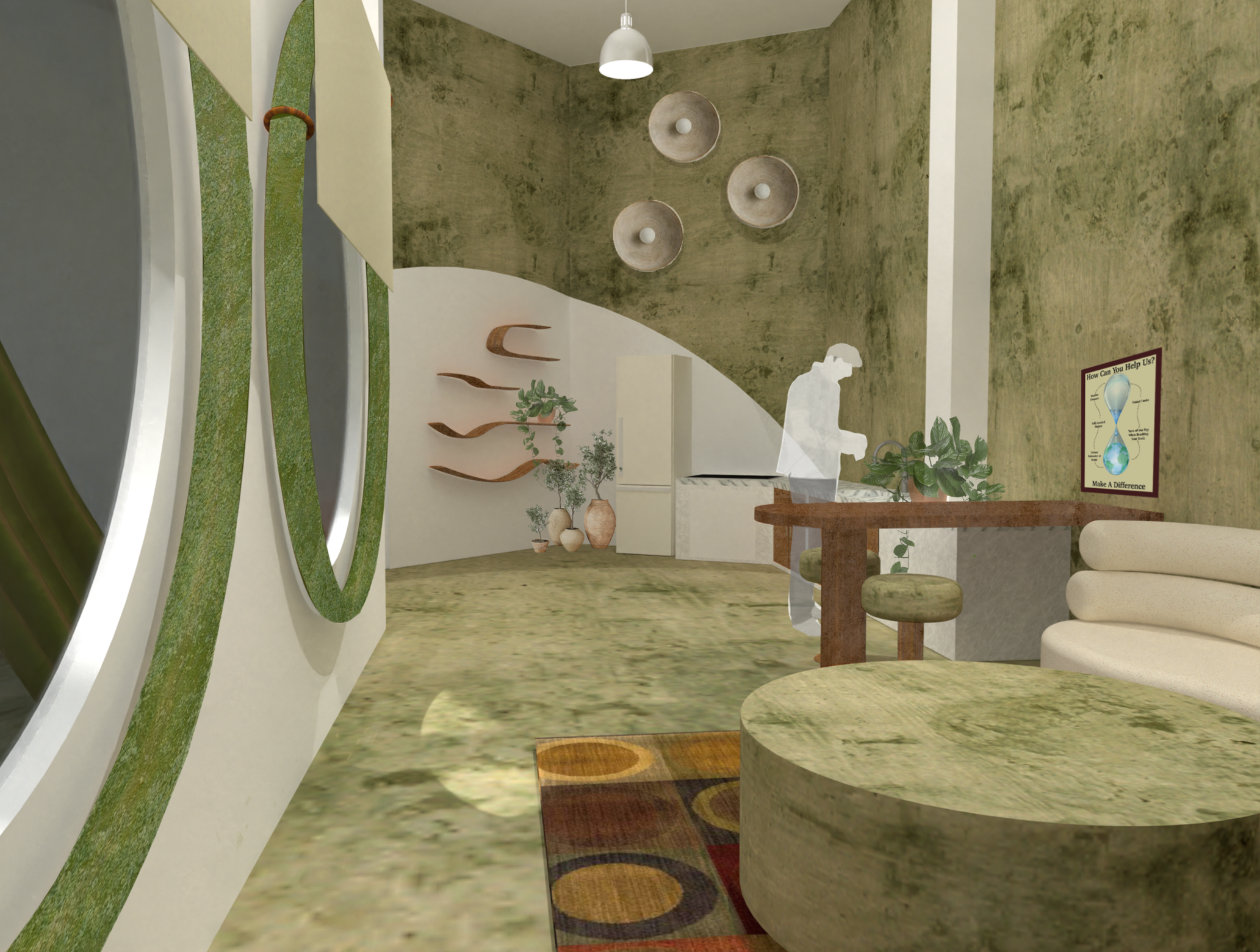
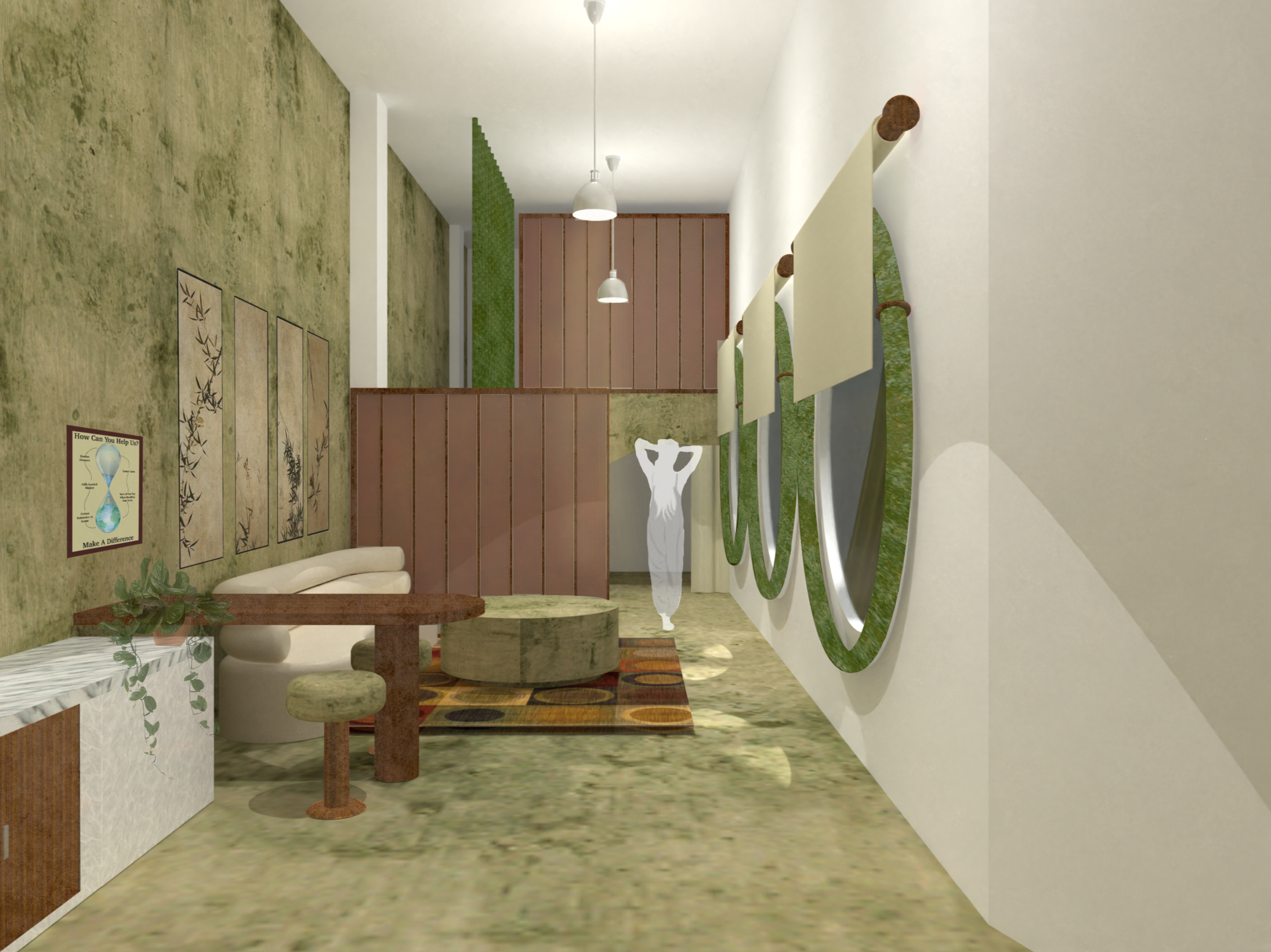
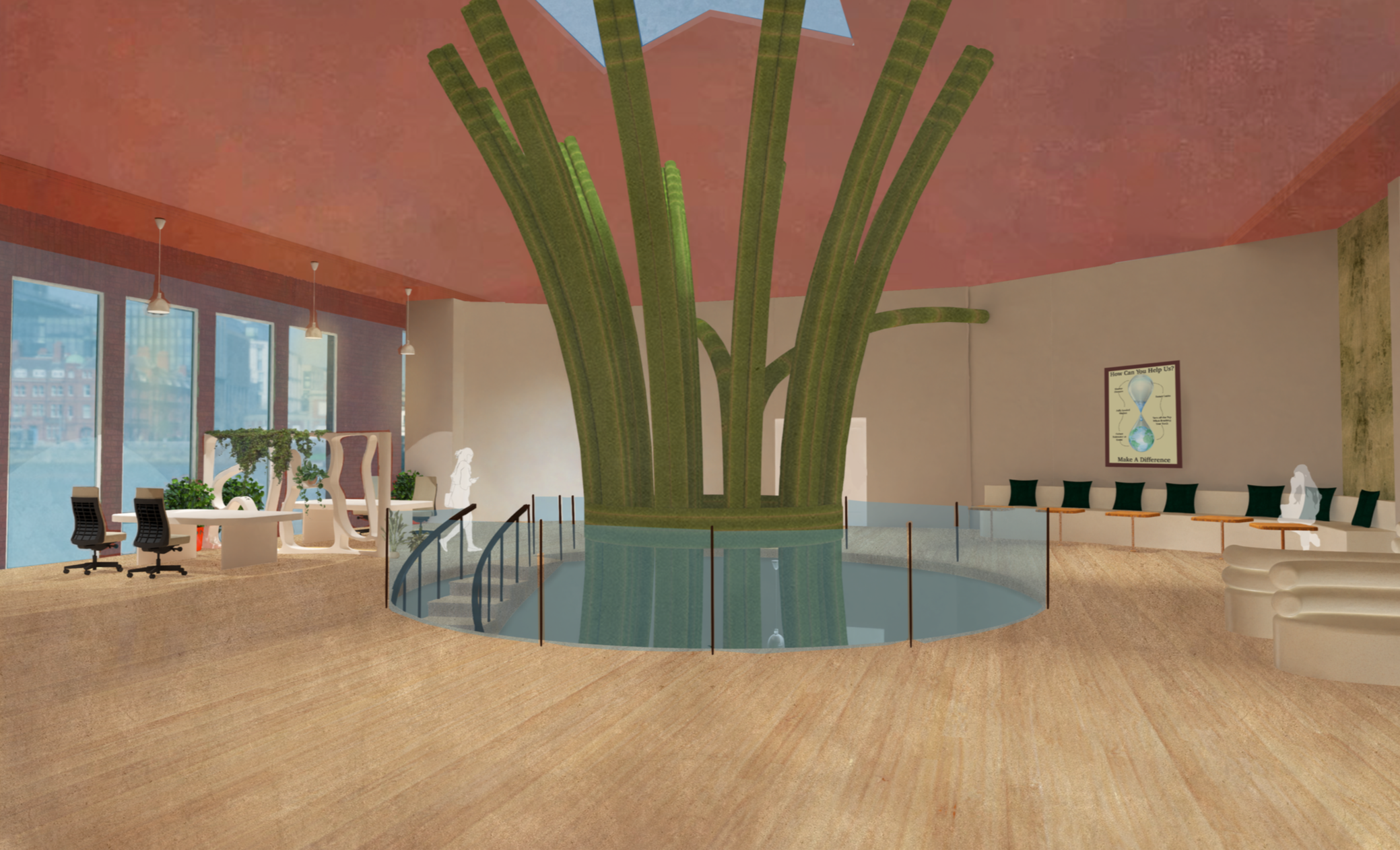
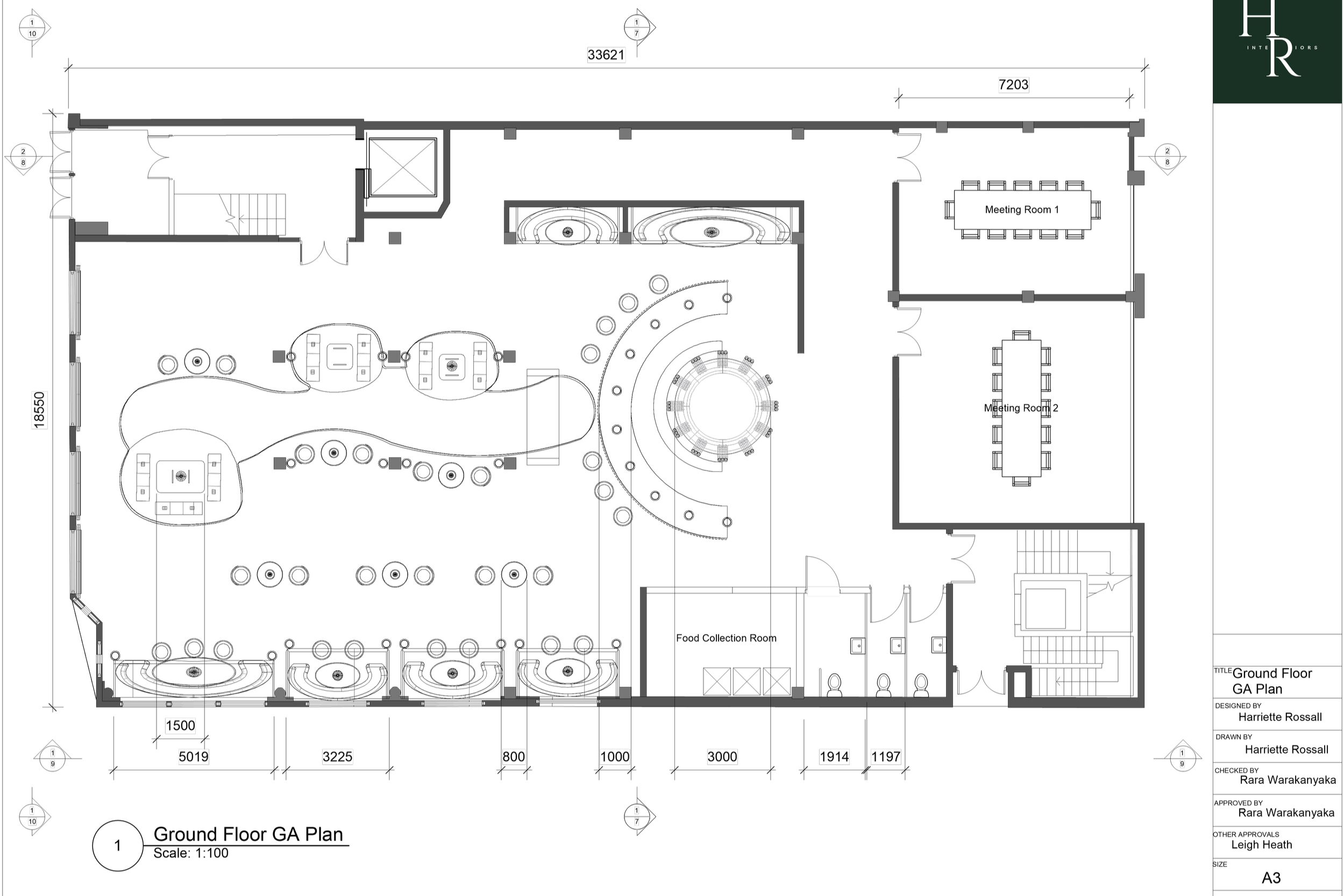
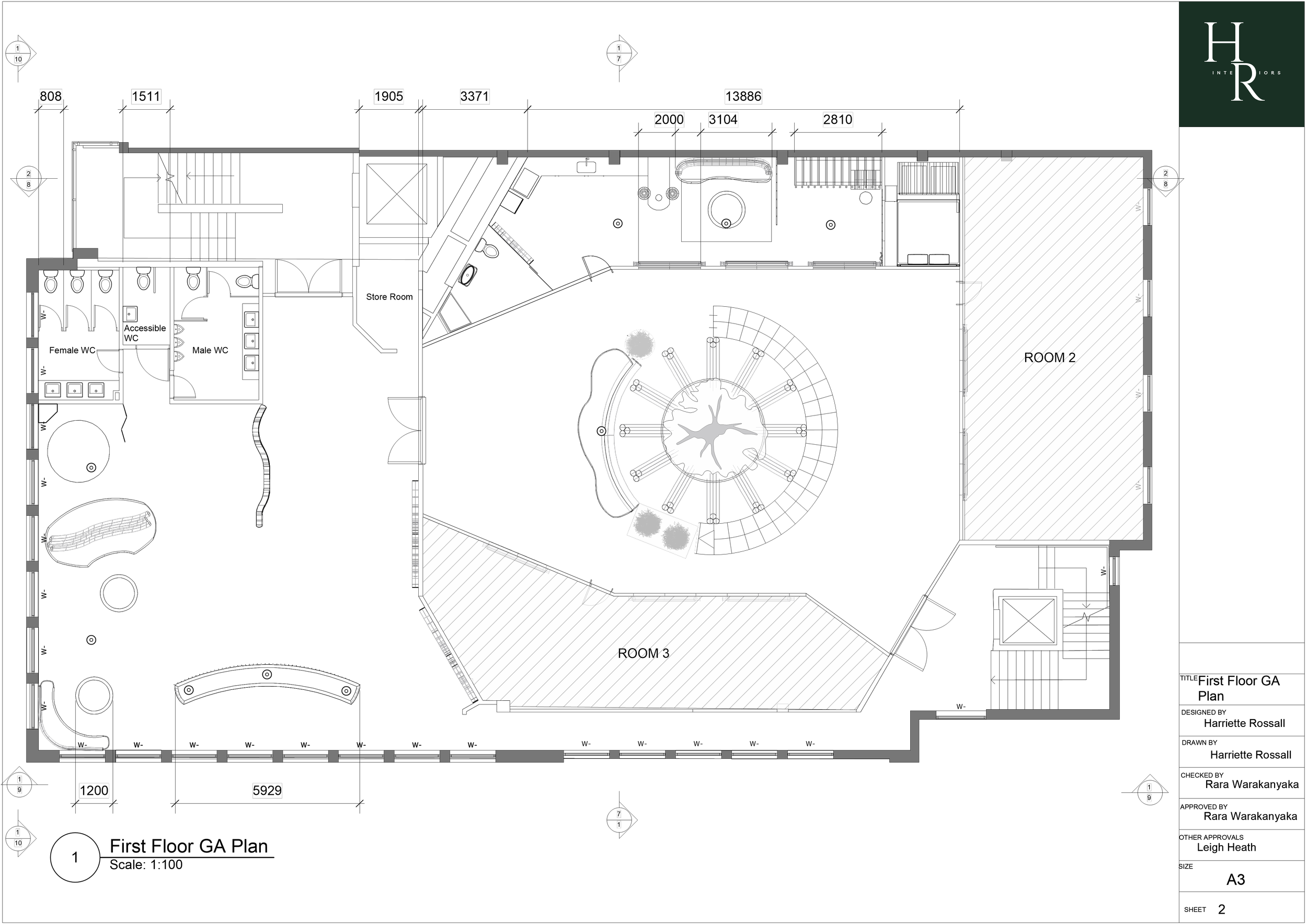
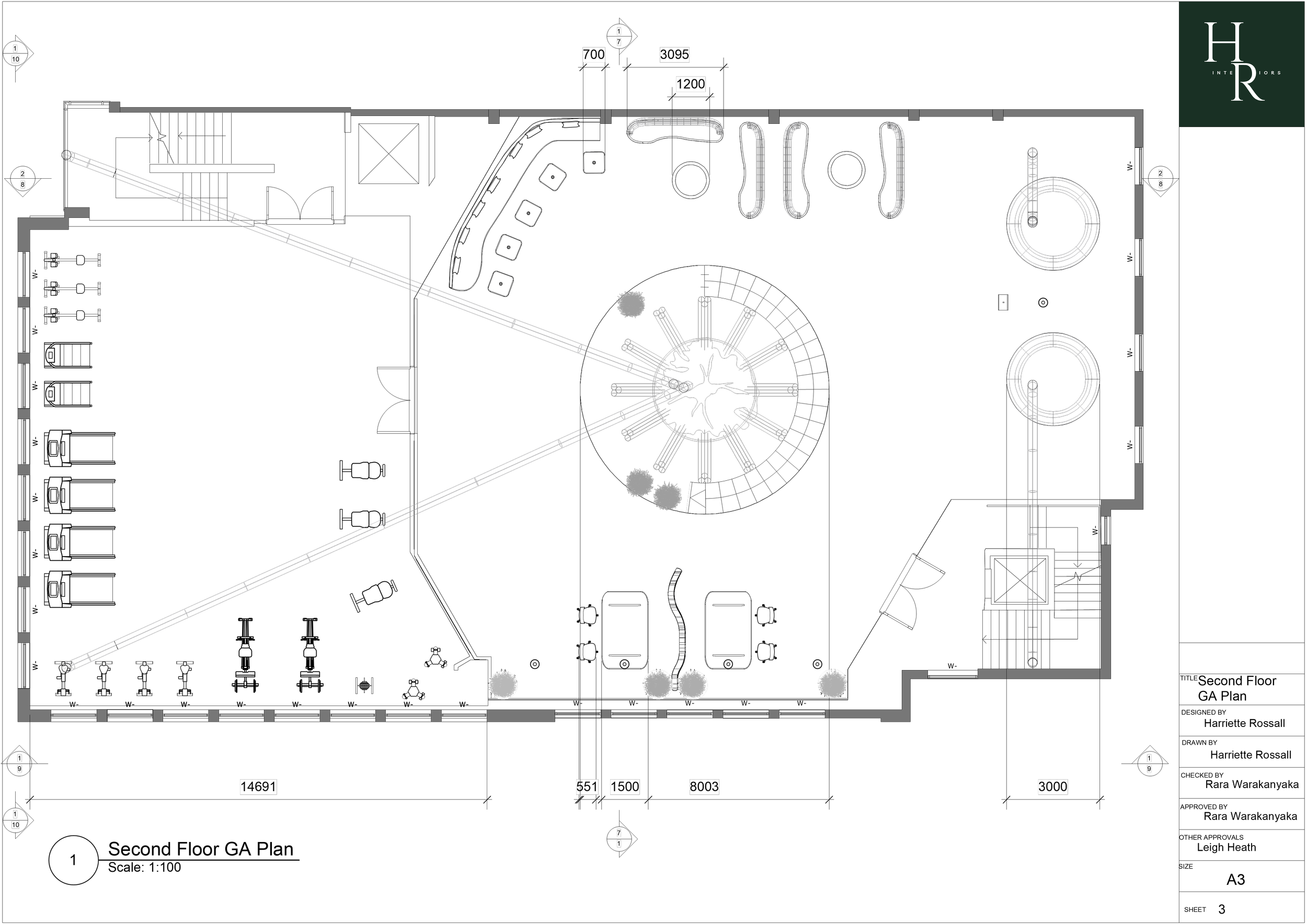
The Aparthotel includes three fully equipped apartments, two of them have a double bed on a mezzanine and a bunk bed beneath it, the third has two double rooms. All three apartments have a full kitchen, large bathroom, and dining and living space. The idea of an aparthotel is that the user can stay for as little as a week to as long as a year, it is a home away from home. As well as the apartments, on site you can find a Restaurant, meeting rooms, co-working spaces and a gym.
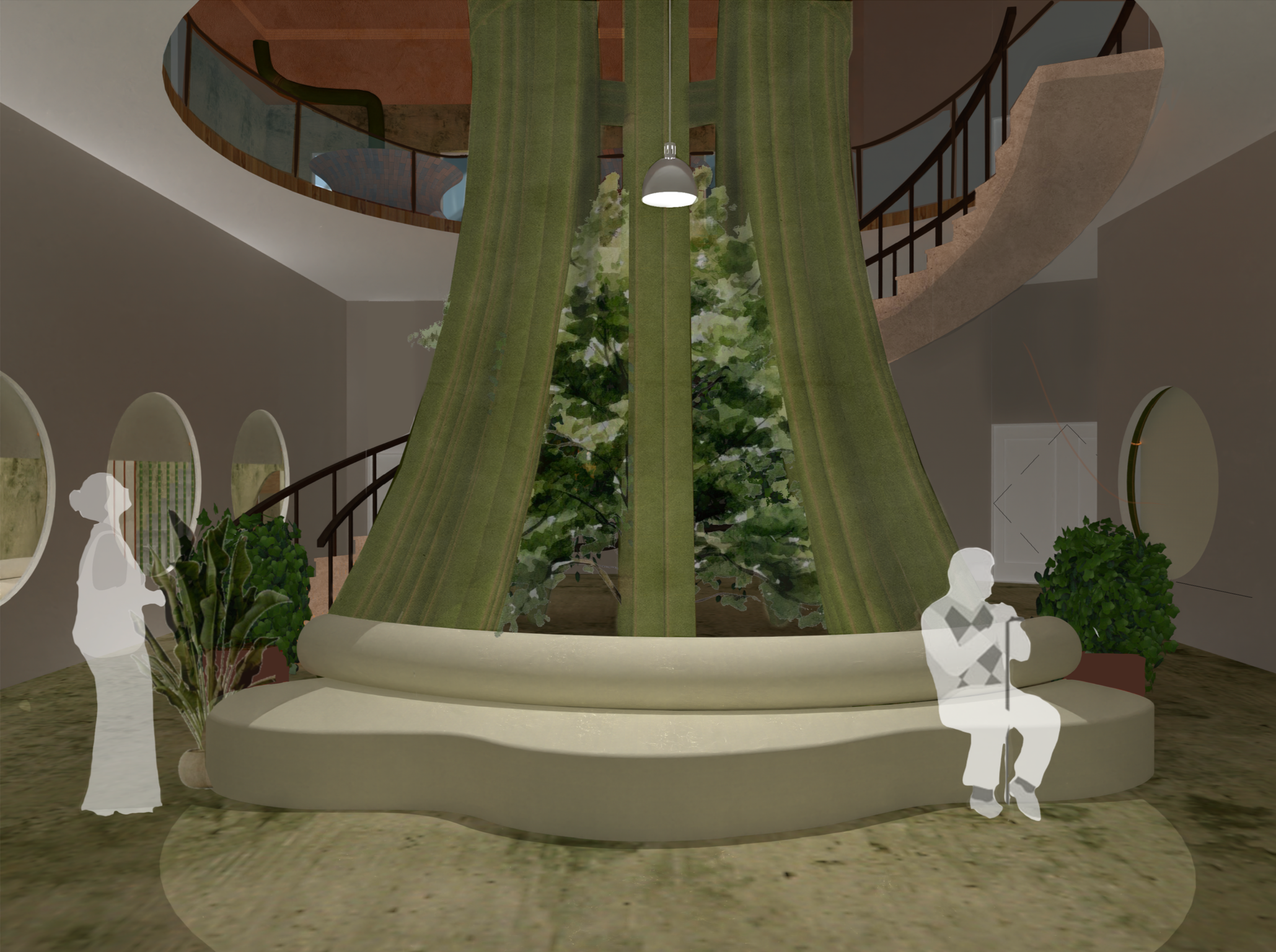
This project shows my growth in design visualisation, I have adopted a soft rendering style crossed with collaging. To complete the visuals, I used Vectorworks for all the 3D modelling (as well as all plans and technical sheets), and then finalised all the renders in photoshop.
Promoting Sustainability in Hospitality
The key aim of this project was to address the water crisis in the hospitality industry; my idea was to design a feature that would allow the building to collect and harvest rainwater. The shape of the roof allows for water to drain down, however I wanted to increase the water collecting capability further- this led to my dew collecting panels. I was originally inspired by Arturo Vittori’s Warka Water Towers, which the Italian architect designed to allow rural communities to collect their own rainwater, however the structures- made of bamboo and a netting- would not survive long in the harsher climate of the UK. I then stumbled upon the Darkling Beetle. This beetle has adapted to survive in one of the driest climates in the world, the Namib Desert, by utilising the bumps and grooves on its back to collect and drink water from the fog. I then designed the dew collecting panel, with hydrophilic (water-loving) and hydrophobic (water-fearing) bumps and grooves, these would collect and then direct water droplets onto the roof and into the pipes.
I really enjoyed this project, I believe this is where I began to find my feet with design, and it has also allowed me to discover my fondness of sustainable design.